Installing Carlisle SynTec Roofing Systems in Lake Charles
Carlisle SynTec is one of the manufacturers we install regularly around Lake Charles, with product lines covering TPO, EPDM, and PVC membrane along with the insulation, cover board, and accessory components that go with each system. We work from their published specifications rather than assuming one membrane fits every building.
What Carlisle SynTec Makes
Carlisle's single-ply lineup includes Sure-Weld TPO, Sure-Seal EPDM, and a PVC membrane line, each available in multiple thicknesses and in both mechanically fastened and fully adhered configurations. The company also manufactures the polyiso insulation, cover board, and fastening accessories used alongside the membrane, keeping the assembly components matched to each other.
We don't treat that as a reason to lock into one manufacturer's ecosystem for every job. Membrane selection starts with the building and the exposure it faces , industrial fallout, wind zone, insurance requirements , and Carlisle's product range happens to cover most of what those requirements call for.
Where Carlisle Systems Show Up on Our Jobs
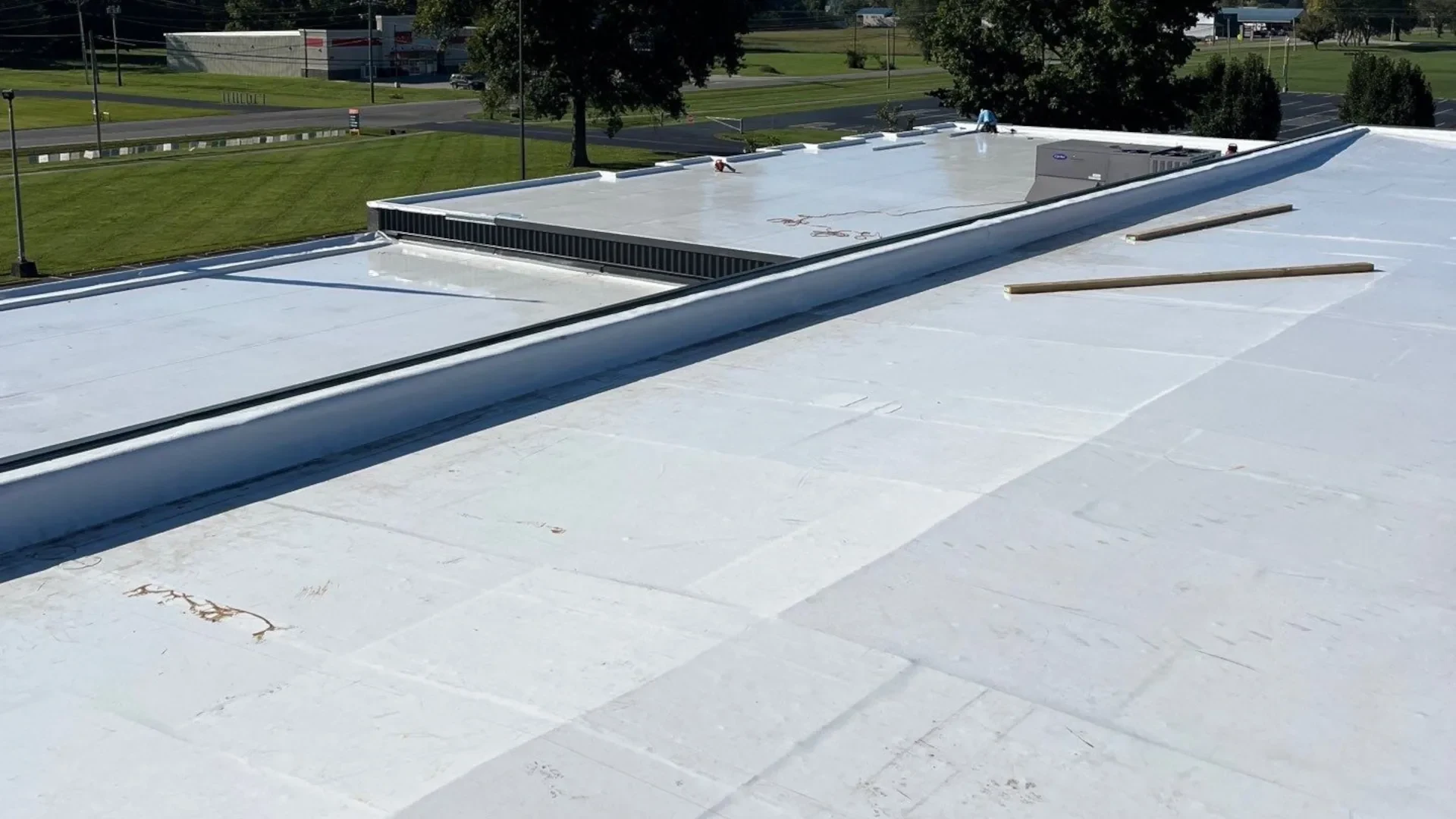
Carlisle TPO and EPDM turn up on a range of buildings we service , retail strips, warehouses, and multifamily properties where a mechanically fastened or fully adhered single-ply system fits the roof's exposure and budget. Their published wind uplift and fire ratings give us a documented basis for the assembly we're specifying, which matters when a project goes through a permit review or insurance underwriting.
For buildings closer to the industrial corridor, we look at Carlisle's PVC line when chemical exposure is a factor, since PVC handles hydrocarbon and grease contact better than standard EPDM formulations.
FM Global Ratings and Industrial Specs
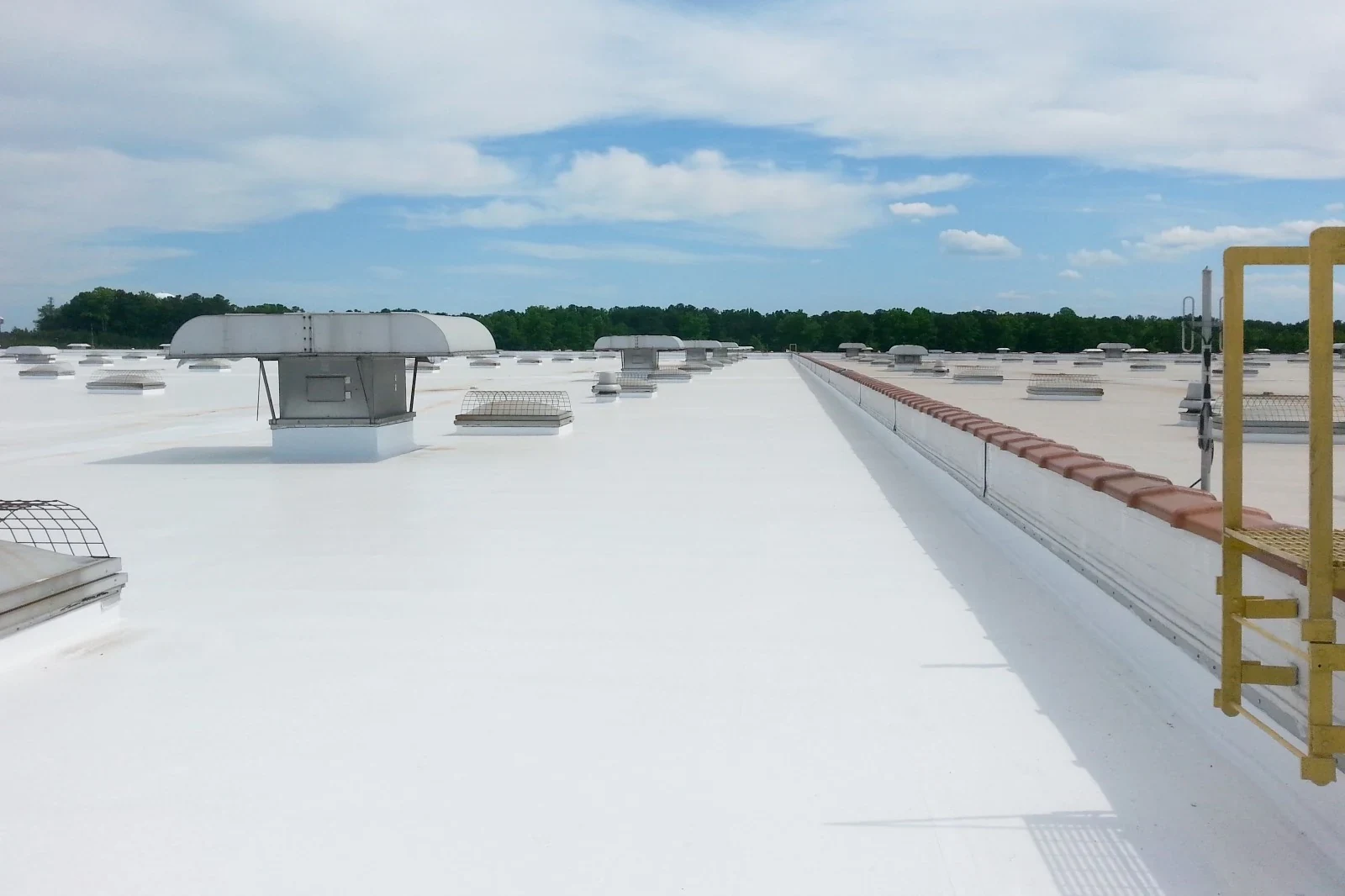
A meaningful share of the industrial and flex-space work we do around Westlake, Sulphur, and the plant corridor falls under FM Global insurance requirements, and Carlisle publishes FM-approved assemblies covering deck type, insulation, cover board, and fastening density for specific wind and hail ratings.
When a facilities manager hands us a required FM rating instead of a brand preference, matching that rating to a published Carlisle assembly is often the most direct path to a compliant, documented roof system rather than assembling components and hoping they meet the requirement.
What We Check on Every Carlisle Installation
On every Carlisle installation, we confirm:
- Membrane thickness and attachment method match the approved assembly
- Insulation and cover board match the specified R-value and density
- Fastening pattern matches the wind uplift rating for the site's exposure category
- Flashing and accessory components come from the same product line
- Seam weld or seam adhesive testing is documented before closeout
Matching every component to the published assembly is what makes the resulting warranty and wind rating actually mean something, rather than a mismatched system carrying a rating it wasn't tested under.
For a building owner comparing bids from different contractors, that assembly-matching detail is worth asking about directly. Two bids can quote the same Carlisle membrane thickness and still differ meaningfully if one includes matched insulation and cover board while the other substitutes a cheaper, unlisted component to shave cost off the number, even though both proposals may look nearly identical on paper before that detail gets pulled out and compared line by line.
Warranty Programs and What They Actually Cover
Manufacturer warranties on single-ply roofing generally cover material defects, and separately, some cover workmanship when the installation is registered and performed to the published specification. Those are two different things, and building owners are sometimes surprised to learn a material warranty doesn't automatically cover an installation mistake.
We walk owners through what a Carlisle warranty actually covers before the job starts, not after a problem shows up. That includes what voids coverage , unauthorized modifications, adding rooftop equipment without proper flashing, or maintenance neglect that leads to ponding damage the warranty was never meant to cover.
Keeping installation records, seam test results, and photos on file matters here too. If a warranty claim ever comes up years down the line, having documentation of exactly what was installed and how makes that conversation with the manufacturer far more straightforward.
Carlisle SynTec Questions From Property Owners
Do you need to be a certified installer to put down Carlisle products?
Manufacturers generally offer installer training and warranty programs tied to following their published installation specifications. What matters most to the building owner is that the assembly gets installed to that specification, which is what protects both the wind rating and any manufacturer warranty.
Is Carlisle TPO better than other manufacturers' TPO?
Carlisle, GAF, Versico, and other manufacturers all publish competitive TPO products in comparable thickness ranges. We compare wind and fire ratings for the specific building rather than starting from a brand assumption.
Can Carlisle EPDM be used near the industrial corridor?
It can, but chemical fallout exposure is a real factor for any EPDM, regardless of manufacturer. For buildings with direct exposure to plant emissions, we typically discuss Carlisle's PVC line instead, since it handles that exposure noticeably better.
Does Carlisle offer FM-rated assemblies for high-wind sites?
Yes, Carlisle publishes FM-approved assemblies covering a range of wind and hail ratings, which we match to the specific rating required for the building's site, use, and insurance carrier requirements.
What can void a Carlisle roof warranty?
Common issues include unauthorized rooftop modifications, added penetrations without proper flashing, and maintenance neglect leading to preventable damage. We review these limits with owners before installation, not after a claim comes up, so there are no surprises later.