GAF Commercial Roofing Systems for Mixed-Roofline Buildings
GAF is better known for steep-slope shingles, but its commercial division covers EverGuard TPO, PVC, and modified bitumen systems for low-slope roofs, and those product lines come up regularly on the mixed-roofline buildings common around Lake Charles's hospitality and casino corridor.
GAF's Low-Slope Commercial Line
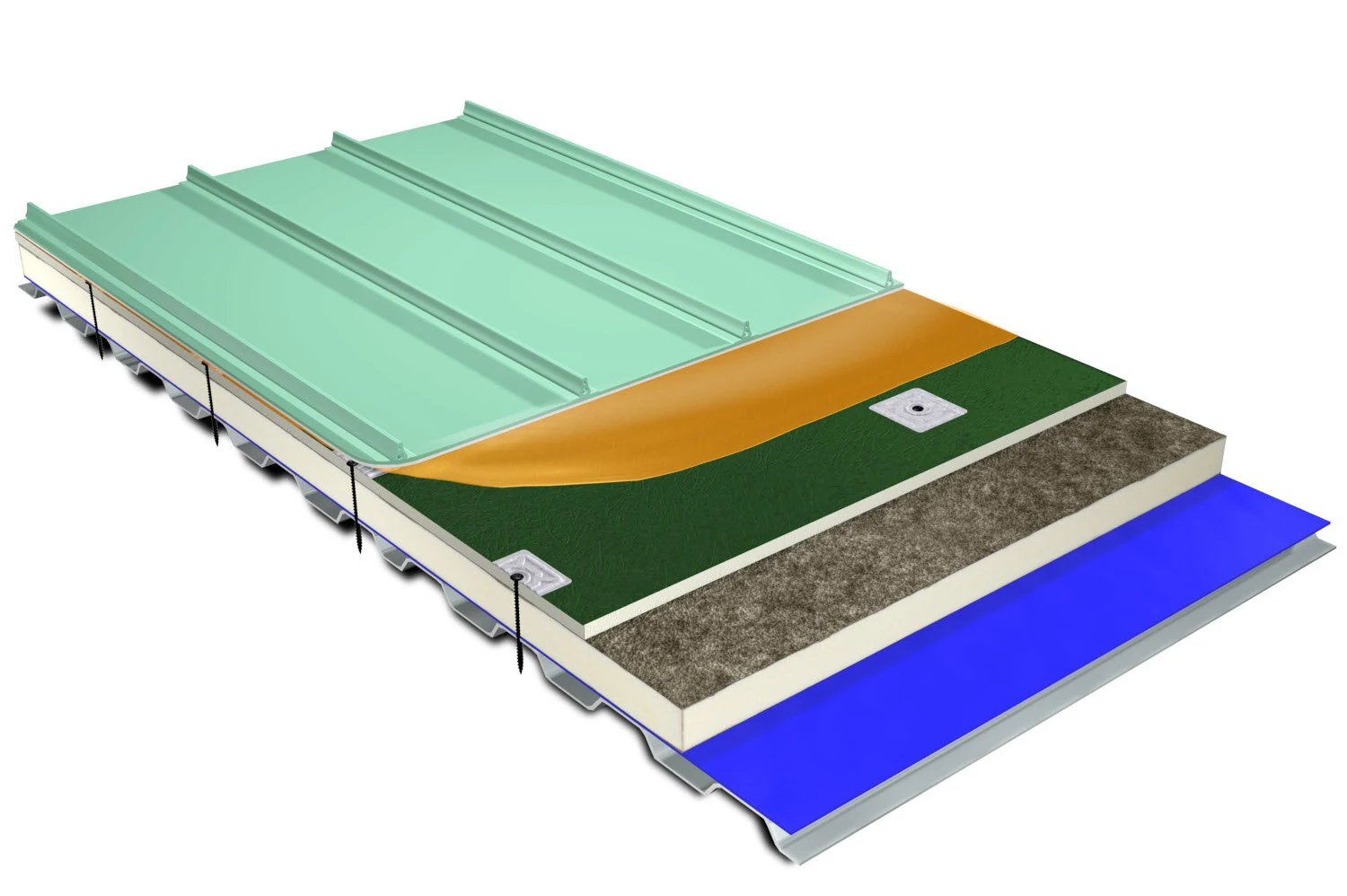
GAF's commercial low-slope line includes TPO and PVC membrane in multiple thicknesses, along with modified bitumen base and cap sheets for multi-ply applications. The company also manufactures the insulation and cover board sold alongside those systems.
We spec GAF products the same way we spec any manufacturer's line , based on the building's exposure, wind zone, and use, not brand preference. Their published technical data and fire and wind ratings give us documentation to work from when a project needs to satisfy a permit reviewer or an insurance carrier.
Why Mixed-Roofline Buildings Come Up Often Here
A lot of buildings around downtown Lake Charles and the casino resort corridor combine a steep-slope or mansard section facing the street with flat, low-slope roof area behind it , mechanical decks, rear additions, connector roofs between structures. That combination means two different roofing systems meeting at a transition point, and the transition detail matters more than either system alone.
For an owner already using GAF shingles on the visible steep-slope section, staying with GAF's low-slope line on the flat sections can simplify warranty administration, since both systems come from one manufacturer's documentation rather than two separate warranty programs with different terms.
Modified Bitumen and TPO Options
GAF's modified bitumen line covers both torch-applied and cold-process installation, which matters on hospitality properties where open flame near occupied guest areas or near mechanical penthouses needs a second look before torch work gets approved.
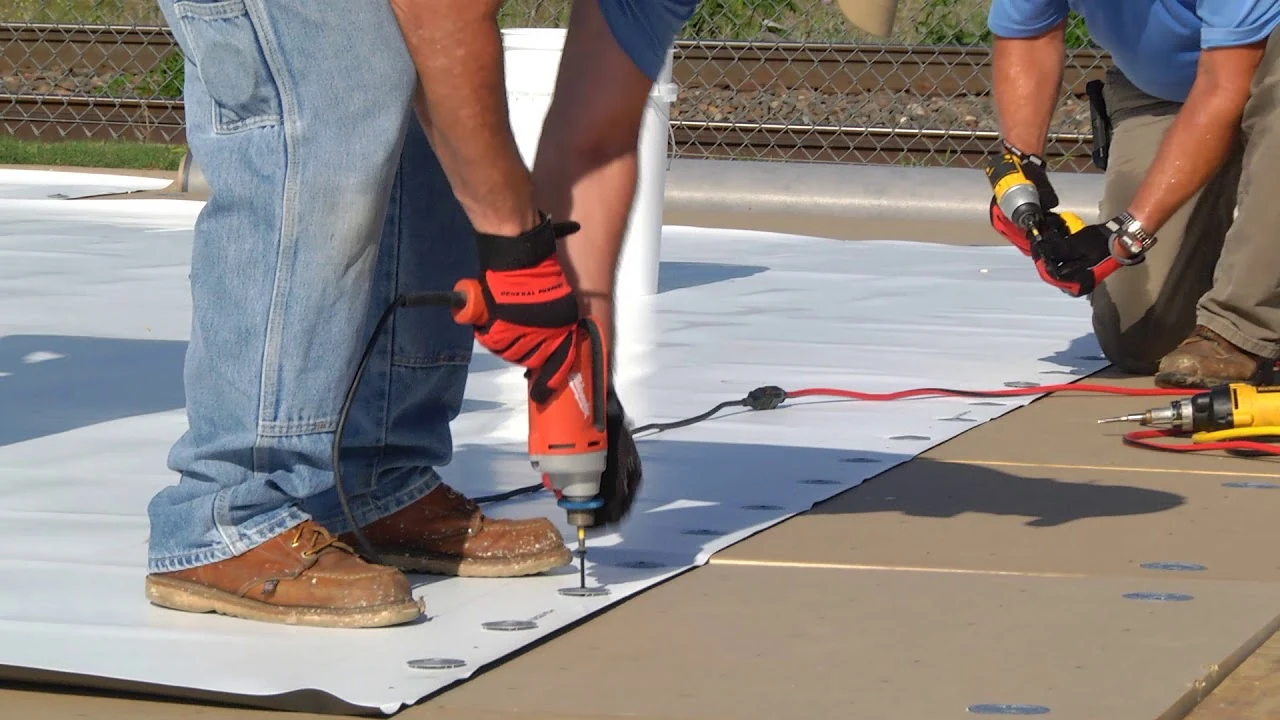
Their TPO line follows the same general thickness and fastening logic as other manufacturers' single-ply systems , thicker membrane and tighter fastening for higher-traffic or higher-wind roofs, standard patterns for straightforward low-slope sections.
What We Look At Before Choosing GAF
Before recommending GAF on a mixed-roofline building, we check:
- How the flat and sloped sections tie together at flashing and transition points
- Whether existing steep-slope material is GAF, for warranty consistency
- Wind exposure at the specific roof section, not the building overall
- Rooftop mechanical load and traffic on the low-slope area
- Fire rating requirements tied to occupancy type
On a hotel or casino-adjacent property, the transition detail between roof types is usually where problems start, so we spend extra time there regardless of which manufacturer's system is involved.
Fire Ratings and Occupancy-Driven Requirements
Hotels, casinos, and other occupied hospitality buildings carry fire and occupancy requirements that a warehouse roof doesn't have to meet, and that shapes which GAF system fits a given building. Fire-rated assemblies matter more when there's a sleeping-occupancy classification involved, and we confirm those ratings against the specific building code requirement rather than assuming a standard commercial assembly automatically qualifies.
That's part of why torch-free modified bitumen comes up so often on hospitality work near occupied guest floors , it's not only about industrial vapor concerns the way it is near the plant corridor, it's about keeping open flame away from a building full of guests during active operation.
We coordinate roof work timing with hotel and casino operations teams for the same reason. Noise, odor, and access restrictions during active guest occupancy shape the schedule as much as the weather does, and GAF's product range gives us enough flexibility in application method to work around those constraints.
Staging and material delivery add another layer of planning on these properties. A hospitality building downtown with limited loading access and active valet or guest drop-off traffic requires a different delivery and hoisting plan than a warehouse with an open truck yard, and we map that logistics plan before crews and material show up on site, not after.
We also account for the roof's visibility from guest rooms and adjacent structures. On a taller hospitality building, upper floors can look straight down onto a lower roof section, so finish quality and housekeeping during the job matter to the property's image in a way that doesn't come up on a typical warehouse reroof, and we keep the job site tidy and organized accordingly throughout the project.
GAF Commercial Questions From Hospitality Owners
Does GAF make roofing for flat commercial roofs, not only shingles?
Yes, GAF's commercial division makes TPO, PVC, and modified bitumen systems specifically for low-slope roofs, separate from its steep-slope shingle products.
Should our low-slope roof match our existing GAF shingle roof?
It's not required, but keeping both roof sections under one manufacturer can simplify warranty administration on a mixed-roofline building. We evaluate whether that consistency makes sense for the specific property.
Can GAF modified bitumen be installed without a torch?
Yes, GAF offers cold-process modified bitumen installation, which we typically recommend near occupied hospitality space or anywhere open flame raises a legitimate concern.
Is GAF a good option for a casino or hotel roof?
It can be, particularly on properties with mixed steep-slope and low-slope roof sections where a single manufacturer's documentation simplifies the overall warranty picture.
Does an occupied hotel roof need a different fire rating than a warehouse roof?
Often, yes, depending on the building's occupancy classification. We confirm the required fire rating against local code before finalizing a roof system for any occupied hospitality building, and document that requirement as part of the project record.