Keeping Low-Slope Roofs Draining Through Gulf Coast Downpours
A flat commercial roof lives or dies by its drainage. This parish gets summer thunderstorms capable of dropping heavy rainfall in a short window, and a drain or scupper that's even partially blocked turns that kind of downpour into standing water fast. We spend a good part of our service calls on drains and scuppers specifically, because a drainage problem left alone doesn't just sit there, it actively ages the roof around it.
Why Ponding Does Real Damage Beyond Cosmetic Harm
Standing water on a membrane accelerates UV-related aging in that specific area, since sitting water changes how the membrane heats and cools compared to a dry section nearby. It also adds structural load the deck wasn't necessarily designed to carry for extended periods, particularly on older buildings where the original design assumed water would clear within a reasonable window after rain.
On roofs near the industrial corridor, ponding can also collect airborne residue from nearby plant operations, and that combination sits on the membrane far longer than clean rainwater would if drainage were working properly. We've found membrane degradation concentrated almost exactly at the boundary of a chronic ponding area on more than one plant-adjacent roof.
Common Drain and Scupper Failures We Find
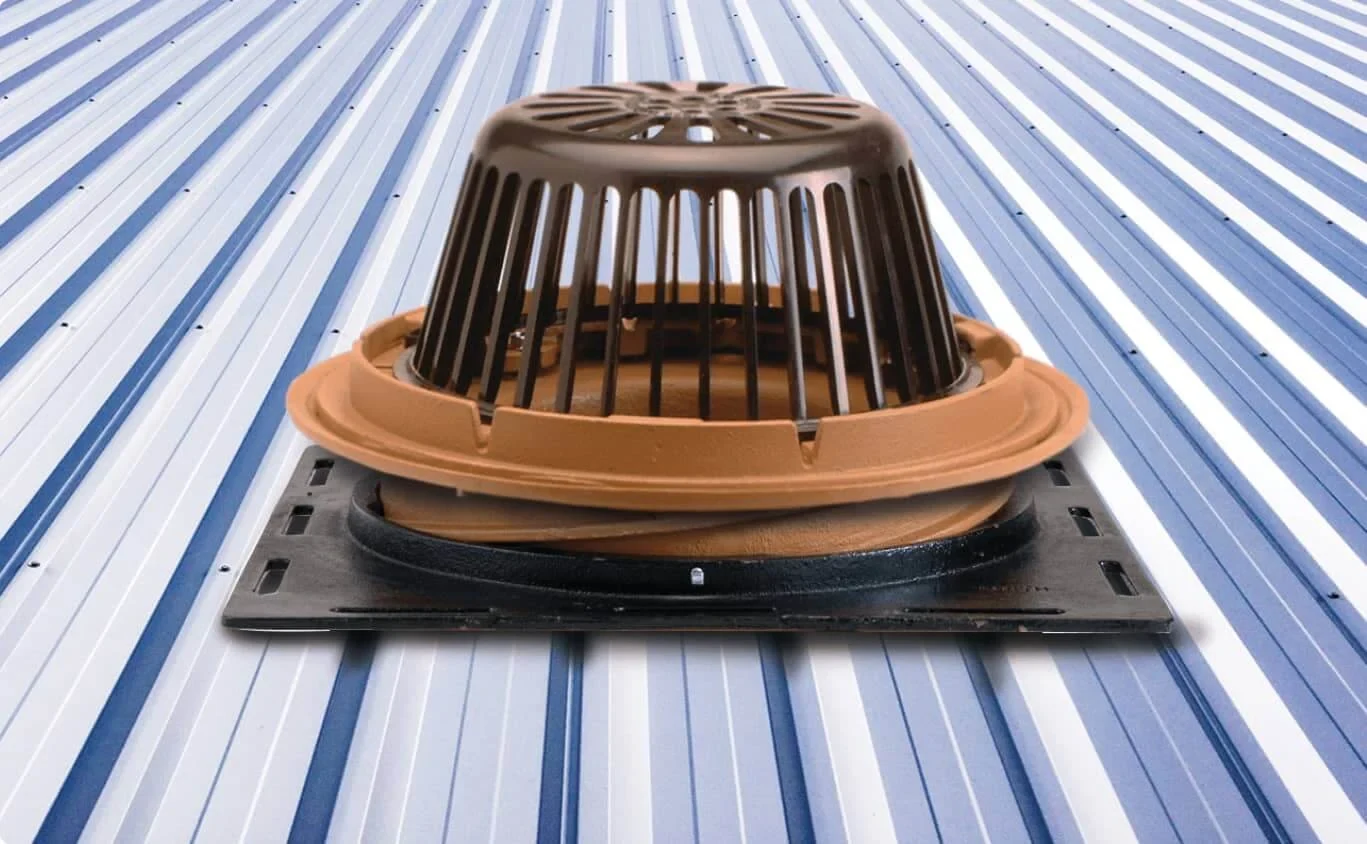
Debris blockage is the most common issue, from leaves and organic material to construction debris left behind from past roof work that was never fully cleaned up. A drain strainer missing or crushed lets larger debris further down into the drain body, where it's harder to clear and can back up an entire drain line.
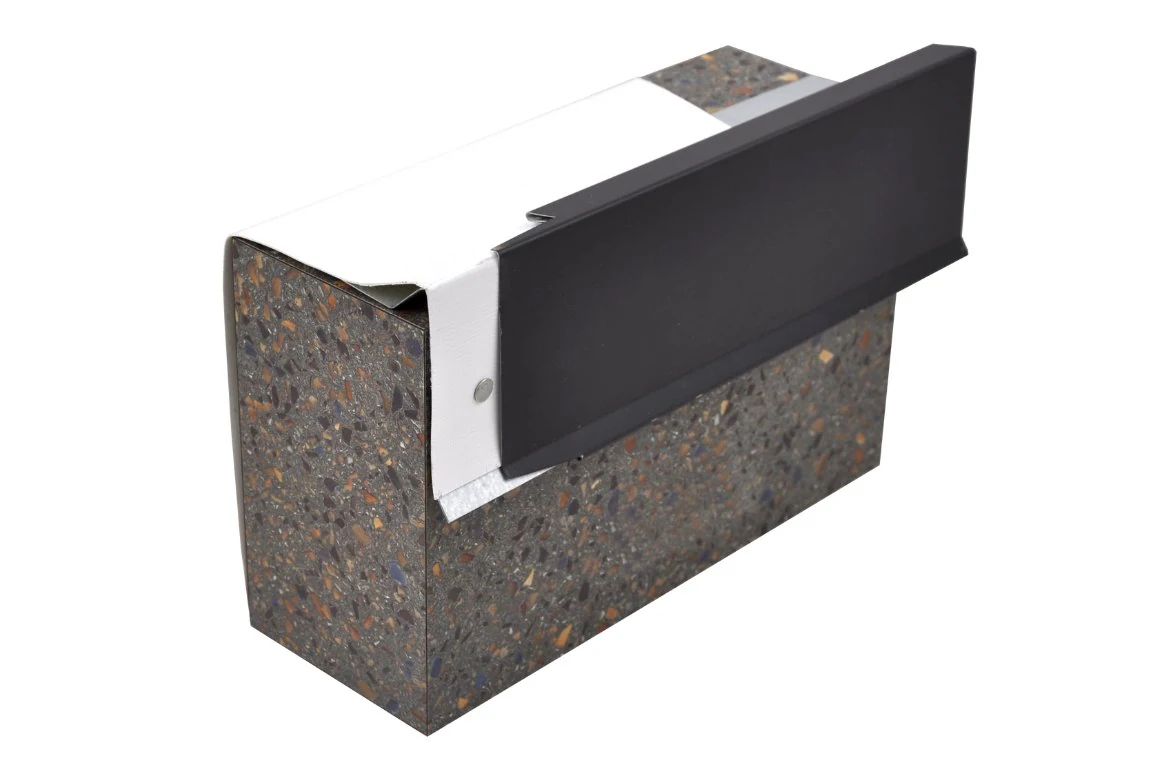
Scuppers, the through-wall openings common on parapet roofs, fail differently. Their sheet metal liners corrode or separate from the wall over time, especially on buildings near the ship channel and Calcasieu Lake where salt air speeds up metal fatigue, and a separated scupper liner can leak into the wall cavity even when the scupper itself is technically still draining water off the roof.
- Full drain and scupper clearing at every scheduled maintenance visit
- Strainer replacement where missing or damaged
- Scupper liner inspection for corrosion or separation from the parapet wall
- Slope verification to confirm the roof still drains toward its low points as designed
- Ponding area mapping against rainfall data to identify chronic problem zones
- Overflow drain check where primary drains are undersized for current rainfall intensity
When the Problem Is Slope Rather Than a Clogged Drain
Sometimes a drain is perfectly clear and water still won't clear the roof, which usually means the insulation slope beneath the membrane has settled or was never properly tapered toward that drain in the first place. This shows up more often on older buildings in the downtown and older retail districts, where original roof designs sometimes used minimal slope that's since flattened further from decades of thermal cycling and prior repairs.
Fixing a slope problem means correcting the insulation taper, which is typically a reroof-scale repair rather than a simple drain-clearing service call. We're upfront when a ponding complaint traces back to slope rather than debris, since clearing the drain repeatedly without addressing slope just means the same complaint keeps coming back every rainy season.
Sizing Drainage for Actual Gulf Coast Rainfall
Older buildings in this parish were sometimes designed to a drainage standard that undersells how intense a Southwest Louisiana thunderstorm can actually get, particularly during hurricane season when a tropical system's rain bands can sit over an area for hours. We check whether a roof's primary and secondary drainage combined can actually handle that kind of volume, rather than simply whether the existing drains are technically clear and functional.
Where a roof is chronically undersized for current rainfall patterns, we can add supplemental scuppers or overflow drains as part of a broader repair or reroof project, giving the roof a real safety margin instead of relying entirely on primary drains that are already working at their limit during a normal summer storm.
Drainage on Plant and Casino Roof Systems
Plant buildings near Westlake and Sulphur often have complex roof configurations with multiple additions and equipment platforms, which can create isolated low points that don't drain the way the original roof plan intended. We map these areas specifically rather than assuming a plant roof drains uniformly across its whole footprint.
Casino properties along the lakefront, several with large flat roof areas built up over multiple construction phases, face a similar layered-drainage challenge, where an addition built years after the original structure sometimes ties into drainage that wasn't sized for the added roof area feeding into it.
Drain and Scupper Questions
How often should roof drains be cleared?
We check and clear drains at every scheduled maintenance visit, typically twice a year, though buildings near heavy tree cover or with a history of debris buildup sometimes need more frequent attention.
Why does water still pond even after the drain is cleared?
If the drain is clear and water still sits, the issue is usually roof slope rather than the drain itself. That typically points to a tapered insulation problem that a simple drain-clearing service won't resolve.
Can you add more drains to a roof that floods during heavy rain?
Yes, adding supplemental drains or scuppers is a reasonable fix for a roof that's undersized for current rainfall intensity, and we can scope that alongside a repair or reroof project.
Do scupper repairs require disturbing the roof membrane?
Some scupper liner repairs can be done with minimal membrane disturbance, but where the liner has separated from the wall significantly, we typically need to open up the adjacent membrane to properly reseal the connection.
How do you know if ponding is causing real damage versus just sitting there?
We check membrane condition specifically within the ponding boundary against the surrounding dry roof area. A visible difference in surface wear at that boundary tells us the ponding is actively aging the membrane rather than sitting there as a cosmetic nuisance.