
Standing Seam Earns Its Cost on Plant and Warehouse Roofs Here
A lot of the metal building stock along the Westlake and Sulphur corridor and out along I-10 was built with exposed-fastener panels because they went up faster and cheaper. After watching how those roofs performed in Laura and Delta compared to standing seam systems on similar buildings, we recommend standing seam more often than we used to, even where it costs more upfront.
Why the Clip System Matters More Than the Panel
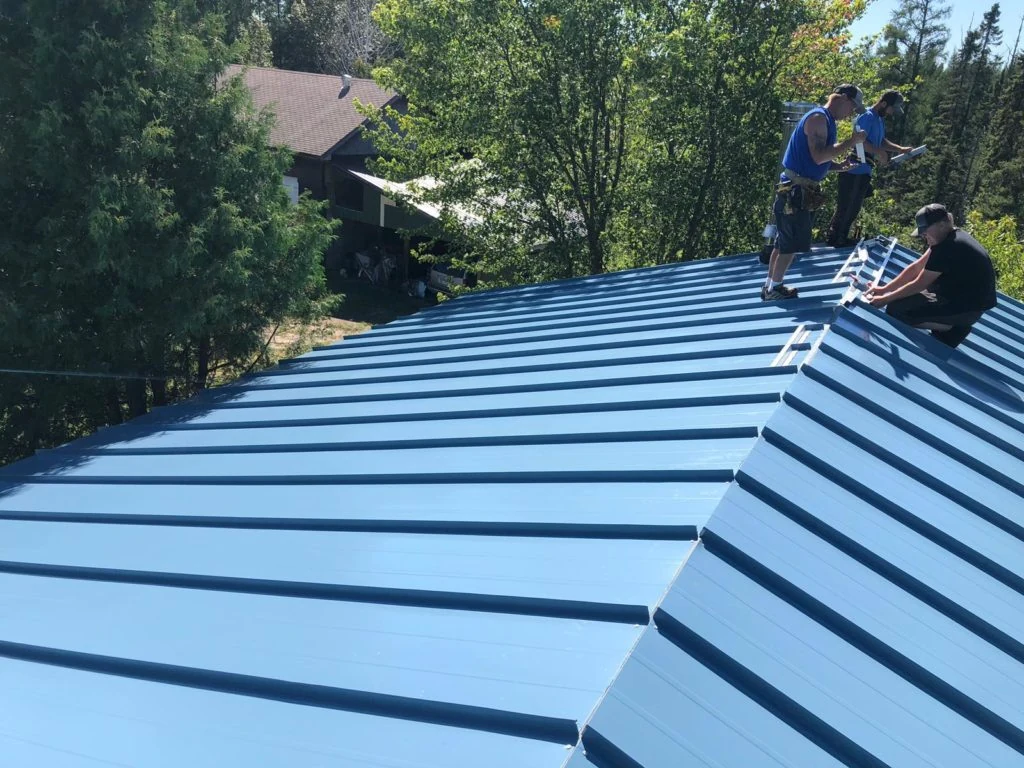
Standing seam metal roofing uses concealed clips that let the panel expand and contract with temperature swings without punching fastener holes through the weather surface. That detail is what separates it from exposed-fastener R-panel, and it is also what determines wind performance. Clip spacing, clip type, and how the panels interlock at the seam decide whether a roof holds together in a hurricane or loses panels the way we saw happen across the parish in 2020.
We size clip spacing to current wind uplift requirements for this parish specifically, not a generic manufacturer default, because a roof engineered for a lower wind zone than what Southwest Louisiana actually requires is a roof that fails at the wrong moment.
Salt Air Corrosion Is a Slower, Steadier Threat
Standing seam panels near the coast, the ship channel, or the LNG corridor toward Cameron and Hackberry face corrosion exposure that inland buildings do not. We spec Kynar or PVDF-coated panels on anything within that exposure zone, since a bare or lightly coated panel finish degrades faster than owners expect once salt-laden air gets into the coating and works on the substrate underneath.
Fasteners and clips face the same exposure, and a corroded clip loses holding strength long before the panel above it shows visible damage. We use corrosion-resistant hardware as standard on any standing seam job within reach of salt air, which in this parish is most of it.
Where We See Standing Seam Specified Most
Standing seam has become the default recommendation for a specific set of buildings in this market, particularly ones where wind performance and long-term maintenance cost matter more than the lowest upfront bid.
- Plant administration and support buildings along the Westlake and Sulphur corridor
- Warehouse and distribution buildings off I-10 with significant roof area exposed to wind
- Marine and port support structures toward Cameron with heavy salt exposure
- Hospital and school buildings where a roof failure has real operational consequences
- Casino and hotel back-of-house buildings adjacent to primary membrane roofs
Thermal Movement and Panel Length
Long metal roof runs move a surprising amount between a summer afternoon and a winter morning here, and standing seam's floating clip system is built to accommodate that movement without stressing the panel or the fasteners. Exposed-fastener systems handle that same movement worse, since the fasteners themselves resist the panel's expansion instead of letting it float, which is part of why fastener backout becomes a recurring maintenance item on R-panel roofs over time.
What a Poorly Specified Standing Seam Roof Costs Later
The failures we get called to inspect on standing seam roofs almost always trace back to clip spacing that was too generous for the actual wind exposure, or a panel finish that was never rated for the corrosion environment it ended up in. Both mistakes look identical to a correctly specified roof on installation day, and both show up as expensive problems years later, usually during the next major storm or after a decade of salt exposure has done its slow work. By the time an owner notices panels lifting at a ridge or clips visibly rusting through their coating, the fix usually involves more of the roof than the original problem area, since the same specification mistake was applied uniformly across the whole building.
How We Approach a Standing Seam Job
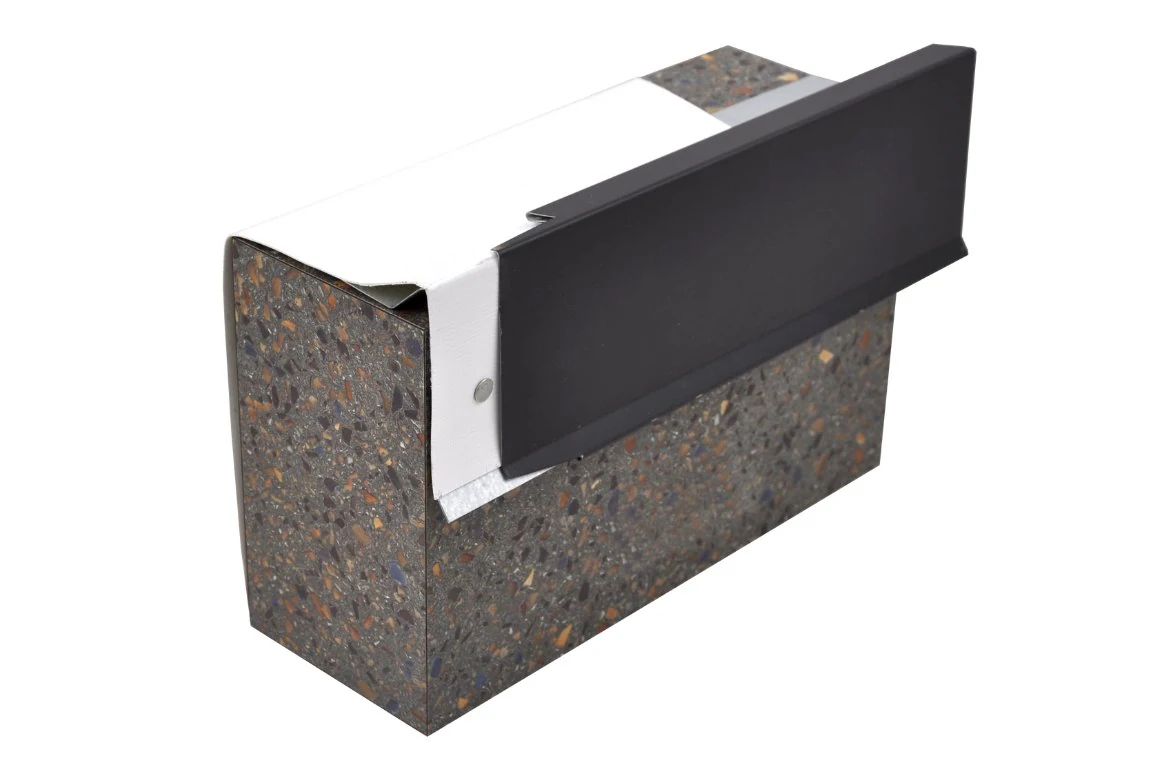
We start with the building's actual wind exposure and distance from salt air sources, since those two factors drive clip spacing and panel finish more than anything else. We coordinate flashing and trim details at ridges, eaves, and penetrations carefully, since those transitions see the most movement stress over the roof's life. Compared to exposed-fastener R-panel, the upfront cost runs higher, and we say so plainly rather than downplaying it.
Standing Seam Questions From Plant and Warehouse Owners
Is standing seam really worth the extra cost over R-panel here?
For buildings with meaningful wind exposure or salt air proximity, generally yes. The concealed-fastener design and correctly spaced clips hold up better in this wind zone, and the maintenance cost over time tends to run lower.
How do you decide on clip spacing for a specific building?
We calculate it against current wind uplift requirements for this parish, factoring in the building's height, exposure category, and roof geometry, rather than defaulting to a manufacturer's generic recommendation.
Does standing seam need a special coating near the coast?
Yes, for anything within meaningful reach of salt air, which covers most of this parish. We spec Kynar or PVDF-coated panels and corrosion-resistant fasteners as standard in those zones.
Can standing seam be installed over an existing metal roof?
Sometimes, if the structure and existing panels are sound. We check the condition of what is underneath before recommending a retrofit over a full tear-off.
How long should a properly specified standing seam roof last here?
With correct clip spacing, an appropriate coating, and good flashing detail, a standing seam roof should substantially outlast a comparable exposed-fastener system in this climate and wind zone.