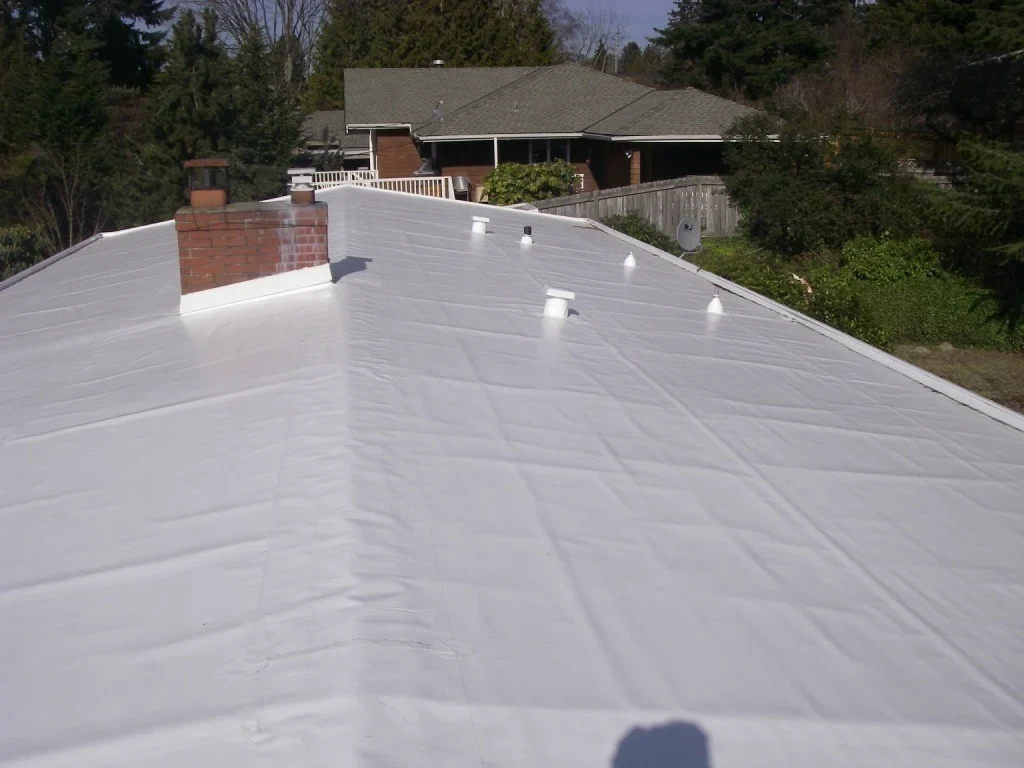
Recover or Tear Off: The Question Every Aging Lake Charles Roof Forces
A recover installs a new roof system over an existing one instead of stripping the building down to the deck, and it can save real money when the roof underneath qualifies. The trouble is that a lot of owners want to recover a roof that no longer qualifies, and finding that out after the crew has mobilized is a far worse outcome than finding it out during the inspection.
What Actually Makes a Roof a Good Recover Candidate
Three things decide whether a recover makes sense: how many layers are already on the roof under current code, whether the insulation underneath is dry, and how much structural life the deck itself has left. A roof that passes all three is a legitimate recover candidate. A roof that fails even one of them turns a recover into a decision that will cost more later than a tear-off would have cost now.
We check all three before quoting anything, using core cuts and moisture scanning rather than a visual estimate from the roof surface, since none of those three factors are reliably visible without actually opening the roof up in a few spots.
Why Layer Count Is a Legal Question Before It's a Practical One
Building codes set a hard limit on how many roof layers a structure can carry, and once a building hits that limit, a recover is not an option regardless of what the existing roof's condition looks like. A lot of older downtown and government buildings around the parish have been recovered once or twice already over past decades, sometimes under different code cycles, and some are already at or past the current limit. We document layer count clearly so owners understand which category their building falls into before we discuss anything else.
Moisture Is the Silent Deal-Breaker
Trapped moisture in existing insulation is the single most common reason a recover fails within a few years of installation. Water that got into a roof assembly during Laura, Delta, or any lesser storm since does not necessarily dry out on its own, and covering wet insulation with a new membrane traps that moisture permanently, where it continues degrading the deck and insulation from below while the new roof on top looks fine. We take moisture scanning seriously on every recover evaluation for exactly this reason.
When Hurricane Damage Forces the Decision Early
A roof that might have been a reasonable recover candidate in normal circumstances sometimes gets pushed into tear-off territory by storm damage. Wind uplift that lifted and resealed sections of membrane, or water intrusion during Laura or Delta that saturated a portion of the insulation, can change the calculation on a roof that looked fine going into hurricane season. We evaluate storm-affected roofs with that history specifically in mind, rather than treating a post-storm inspection the same as a routine aging assessment.
- Existing layer count checked against current code limits
- Moisture scanning across the full field, beyond areas with visible staining
- Deck condition and structural capacity for the added recover weight
- Drainage adequacy, since a recover inherits the original roof's slope problems
- Storm history and prior repair patches that may hide underlying damage
What a Recover Actually Saves, and What It Doesn't
A qualifying recover saves on tear-off labor, disposal cost, and the downtime associated with stripping a building to bare deck, which matters a great deal for occupied buildings like hospitals, schools, and casino back-of-house operations that cannot easily shut down a section for an extended tear-off. What it does not save is a second decision down the road if the underlying issues were not actually resolved, which is exactly why we spend the inspection time upfront rather than assuming eligibility.
How We Approach a Recover Evaluation
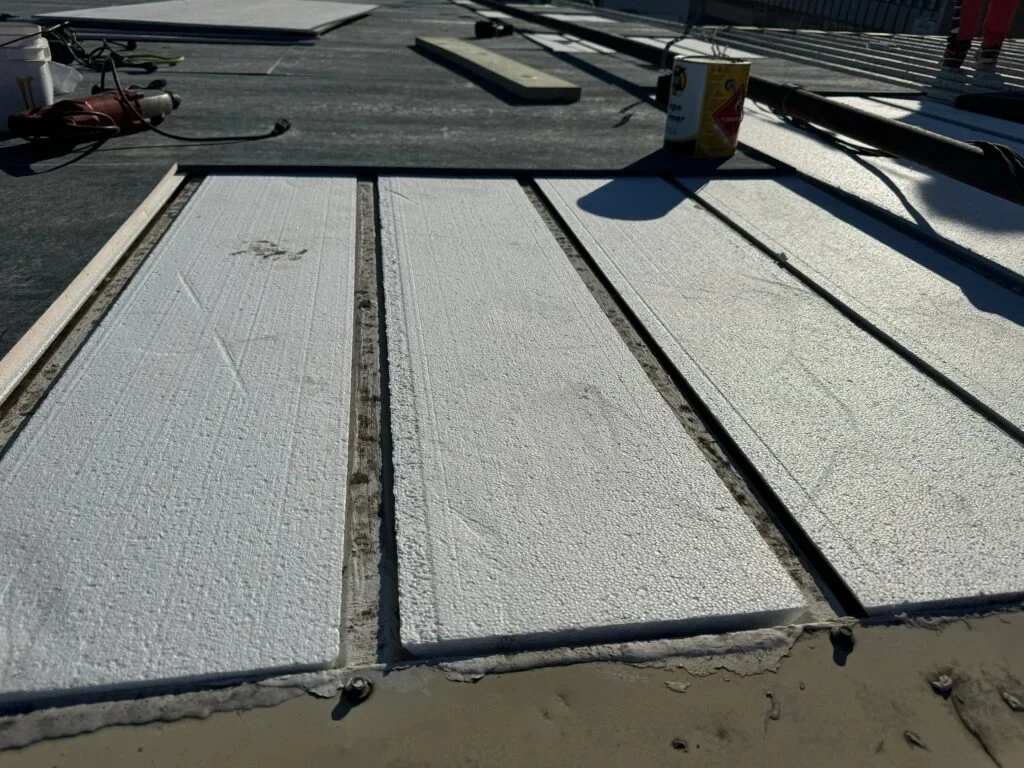
We start with core cuts at several locations to establish layer count and insulation condition directly, rather than relying on old permit records that may not match what is actually on the roof. From there we run moisture scans across the field and check the deck's structural condition before giving an owner a real answer. If the roof qualifies, we lay out a recover system matched to the building's wind exposure using the same standards we apply to any new membrane or coating installation. If it doesn't qualify, we say so before quoting anything.
Recover and Overlay Questions Owners Ask
How do I know if my roof can legally be recovered instead of torn off?
It depends on how many layers are already present under current code. We check this directly with core cuts rather than assuming based on the building's age or permit history alone.
Can a recover be done over a roof that took hurricane damage?
Sometimes, if moisture scanning confirms the insulation underneath is dry and the deck is structurally sound. Storm-affected roofs need a closer look than routine aging assessments before a recover gets recommended.
What happens if moisture is found during the evaluation?
Trapped moisture generally rules out a recover in that area, since covering it traps the problem rather than solving it. Depending on the extent, that can mean a targeted tear-off in the wet section or a full replacement.
Is a recover always cheaper than a tear-off?
Usually upfront, yes, but only when the roof actually qualifies. A recover installed over a roof with hidden moisture or layer-count problems often costs more in the long run once the underlying issue forces a second project.
Does a recover fix drainage problems from the original roof?
Not on its own. A recover generally follows the existing roof's slope, so standing water problems from the original installation usually persist unless the recover design specifically addresses drainage with tapered insulation or additional drains.